
What is a meta description? A meta description is the short summary that appears under your page’s title in search results. It doesn’t directly affect rankings, but a clear, compelling one can improve your click-through rate — so it’s worth writing a unique, accurate description for each important page.
What is a meta description used for?
It’s the snippet searchers read to decide whether to click your result. Google may rewrite it, but a good description still influences click-through and sets accurate expectations for the page.
Does a meta description affect SEO?
Not as a direct ranking factor. Its value is in click-through rate — a more compelling snippet can earn more clicks from the same ranking, which is why it’s worth getting right.
How do I write a good meta description?
- Summarize what the page actually delivers
- Keep it concise (roughly 150–160 characters)
- Include the main keyword naturally
- Add a clear reason to click
- Make each page’s description unique
What should I avoid?
Duplicate descriptions across pages, keyword stuffing, and vague or misleading copy. If the snippet over-promises, visitors bounce — accuracy builds trust and lowers bounce.
What are backlinks and why do they matter? A backlink is a link from another website to yours. Search engines treat relevant, trustworthy backlinks as votes of confidence, so they’re an important authority signal for SEO. Quality and relevance matter far more than quantity — and links should be earned, not bought.
What is a backlink?
It’s simply a link on another website pointing to a page on yours. When a reputable, relevant site links to you, it signals to search engines that your content is trustworthy and worth surfacing.
Why do backlinks matter for SEO?
They’re one of the ways search engines judge authority. A handful of links from relevant, reputable sites can carry more weight than hundreds of low-quality ones — it’s about trust, not volume.
How do I earn backlinks?
- Publish genuinely useful content worth linking to
- Get listed in legitimate local and industry directories
- Earn press, partnerships and community mentions
- Build real relationships in your industry
Should I buy backlinks?
No. Buying links violates Google’s guidelines and can trigger penalties that hurt your rankings. Earned, relevant links are slower but safe and durable; link schemes are a genuine risk.

What are keywords and how do I choose them? Keywords are the words and phrases people type into search engines. You choose them by matching real customer searches to pages on your site — favoring terms with clear buying or local intent over broad, generic words, and balancing how many people search a term against how hard it is to rank.
What are keywords in SEO?
They’re the search terms your customers actually use — from broad (‘plumber’) to specific (’emergency plumber in Oak Brook’). Specific, intent-rich phrases usually attract more qualified visitors.
How do I choose the right keywords?
- Start with terms your customers actually say
- Favor clear buying or local intent
- Balance search volume against competition
- Map each keyword to a relevant page
- Include natural variations and questions
What is search intent?
It’s the reason behind a search — to learn, compare, or buy. Matching your page to the intent (an answer for a question, a service page for ‘near me’) matters more than stuffing in the keyword.
Should I target high-volume keywords?
Not necessarily. Broad, high-volume terms are competitive and often less specific. A set of lower-volume, high-intent and local keywords frequently delivers better, more qualified traffic.

Is email marketing still worth it? Yes, for most businesses — email reaches an audience you own (not rented from an algorithm), nurtures leads and repeat customers, and is inexpensive to run. It works best with a permission-based list and genuinely useful messages, not bought lists or spam.
Why is email still effective?
You own your email list, so you’re not at the mercy of platform algorithms or rising ad costs. It’s direct, personal, measurable and cheap — ideal for repeat business and nurturing leads over time.
Who is email marketing best for?
Businesses with repeat customers, longer decision cycles, or something worth saying regularly — offers, updates, helpful tips. It’s less suited to one-time impulse purchases with no follow-up.
Should I buy an email list?
No. Buying lists violates most platforms’ rules and anti-spam laws, wrecks deliverability, and annoys recipients. Build a permission-based list by offering something useful in exchange for a signup.
How often should I email?
Regularly enough to stay familiar, rarely enough to stay welcome — and always with a reason to open. Consistency and value matter far more than volume.

How often should I post on social media? There’s no universal number — consistency you can sustain matters more than hitting a specific frequency. For most small businesses, a few quality posts a week on one or two relevant platforms beats daily low-effort posting everywhere. Pick a realistic cadence, stay consistent, and focus on content your audience finds useful or engaging.
Is there an ideal posting frequency?
No single number fits every business or platform. What consistently works is a sustainable, regular cadence — sporadic bursts followed by silence hurt more than a steady, modest rhythm. Choose what you can keep up.
Does quality or quantity matter more?
Quality. A few genuinely useful or engaging posts outperform a flood of filler, and platforms tend to favor content people actually engage with. Posting just to hit a number can backfire.
Which platforms should I focus on?
The one or two where your customers actually spend time — not all of them. It’s far better to be consistent and engaged on a couple of relevant platforms than spread thin and inconsistent across five.
How do I stay consistent?
Batch content in advance, keep a simple calendar, and repurpose what works. Consistency over months is what builds recognition — and a sustainable plan you’ll actually follow beats an ambitious one you’ll abandon.

Do I need a blog for my business? You don’t strictly need a blog, but publishing genuinely useful content — answering the questions your customers actually ask — is one of the most cost-effective ways to rank in search, win answer boxes, and get cited by AI. It pays off only if the content is helpful and accurate, not posted for its own sake.
What does a business blog actually do?
Done well, it answers real customer questions, targets searches your service pages can’t, builds topical authority, and gives you something to share. Each useful article is a durable asset that can rank and get cited for years.
When is a blog worth it?
When your customers research before buying, ask lots of questions, or you compete on expertise. If people just need your phone number, a tight service site may be enough — quality over quantity always.
How often should I publish?
Consistency beats volume. A few genuinely helpful, accurate articles a month outperform a flood of thin posts. One strong piece that answers a real question is worth more than ten written for a word count.
Does a blog help with AI search?
Yes — answer-first, well-structured articles are exactly what AI engines lift and cite. A clear blog post can rank in Google, win a featured snippet, and get quoted by ChatGPT or Gemini all at once.
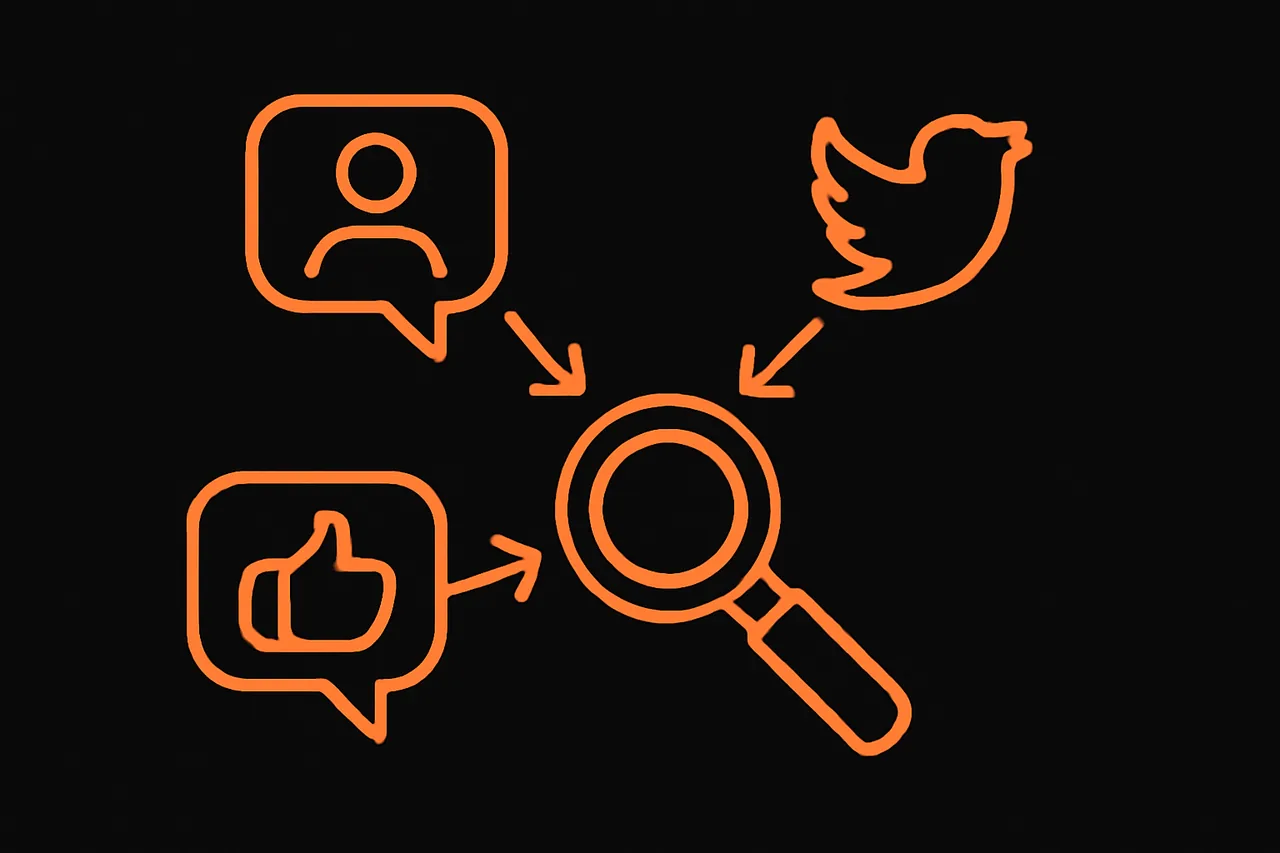
Does social media help SEO? Not directly — Google has said social media signals like likes and shares are not a direct ranking factor. But social helps SEO indirectly: it builds brand awareness, drives traffic, gets content seen and linked to, and reinforces your business as a real, recognizable entity, which supports both search and AI visibility.
Are social signals a Google ranking factor?
Not directly. Google representatives have repeatedly said likes, shares and follower counts aren’t direct ranking signals. So buying followers or chasing vanity metrics won’t move your rankings on its own.
How does social media help SEO indirectly?
- Drives traffic to your content, increasing its reach
- Gets content in front of people who may link to it
- Builds brand searches and recognition (a trust signal)
- Reinforces your business as a consistent, real entity for search and AI
Does social media help local SEO?
It supports it. An active, consistent presence with matching business information strengthens your overall local footprint and brand recognition, which complements your Google Business Profile and reviews — the things that more directly drive local rankings.
Which platform is best for a small business?
The one where your customers actually are — not all of them. It’s better to be consistent and genuinely engaged on one or two relevant platforms than spread thin across five. Quality and consistency beat presence everywhere.

What makes content rank and get cited by AI? Genuinely useful, accurate, well-structured content built around how people search. Lead with clear answers, organize with question-based headings, add structured data, cite real sources, and keep it current — so both search engines and AI can understand, trust and lift it.
Start with intent, not keywords
Understand what the searcher actually wants to accomplish, then build the page to deliver it completely.
Structure for extraction
Answer-first sections, descriptive headings, short paragraphs, and lists make your content easy for engines to lift and for readers to scan.
Be accurate and cite sources
Fact-check every claim. Engines — and customers — reward trustworthy content and penalize thin or misleading pages.
Add schema and internal links
Structured data clarifies your content; internal links spread authority and help engines understand your site’s topics.
Keep it fresh
Update facts, stats and examples over time. Stale content loses rankings and citations. This is the backbone of our SEO & GEO work.
Frequently asked questions
What makes content rank and get cited by AI?
Genuinely useful, accurate, well-structured content built around how people search. Lead with clear answers, organize with question-based headings, add structured data, cite real sources, and keep it current.
How should I structure content for SEO?
Use answer-first sections, descriptive headings, short paragraphs and lists so both readers and engines can scan and lift it. Build the page around search intent, not just keywords.
How do I get my content cited by AI?
Write quotable, factual answers, be explicit about who you are, and earn references elsewhere. AI engines surface clear, trustworthy sources they can attribute.
How often should I update content?
Refresh facts, stats and examples over time. Stale content loses rankings and citations, so revisit your cornerstone pages periodically.
Keep going
Authoritative reference: Google’s SEO Starter Guide.
Put it to work: SEO & GEO, the Knowledge blog, or book a call.
Test your website
See how your site is performing — enter your URL for an instant analysis of your SEO and visibility.