
Is SEO or PPC better for my business? Neither is universally better — they do different jobs. PPC (paid ads) buys immediate, controllable traffic but stops when you stop paying. SEO builds slower but compounds and keeps working without per-click cost. Most local businesses get the best result from both: ads for immediate demand, SEO for durable, lower-cost visibility over time.
What’s the difference between SEO and PPC?
PPC means paying for placement — you bid for ad spots and pay per click. SEO means earning placement in the organic results through relevance, content and authority. Ads appear instantly; SEO takes time but doesn’t charge per click.
When should I use PPC?
When you need leads now, are launching, testing a market, or competing for high-intent searches where being at the top today matters. Ads give speed and control — but only pay off with good targeting, a strong landing page and conversion tracking.
When should I invest in SEO?
When you want durable visibility that compounds and traffic that doesn’t disappear when the budget stops. SEO is an investment that builds an asset — slower to start, cheaper over time.
Can I do both at once?
Yes, and most should. Ads cover the gap while SEO ramps, and the data from ads (which keywords convert) makes your SEO smarter. They reinforce each other.
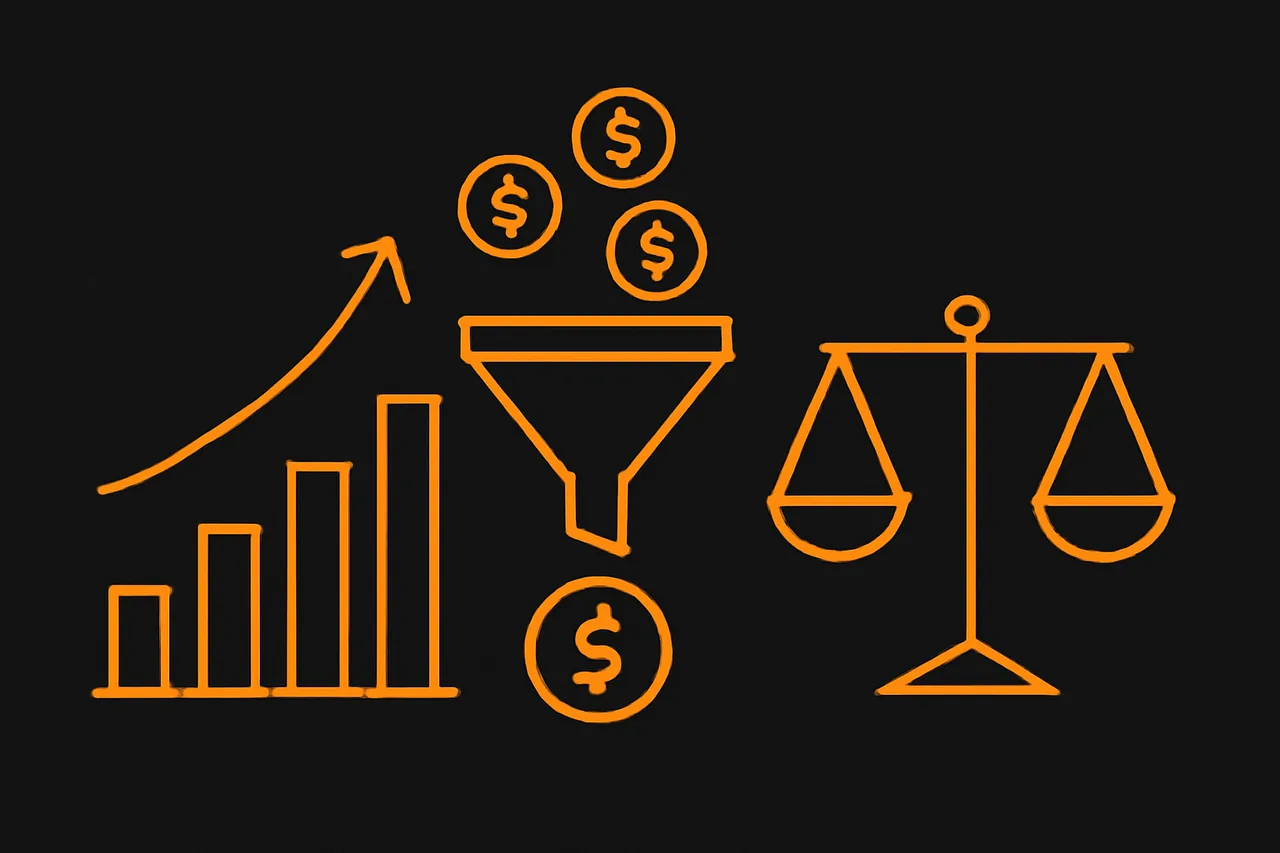
How much should a local business spend on marketing? It depends on your revenue, margins, growth goals and competition — not a fixed percentage. A common starting reference is a single-digit percentage of revenue for maintenance and more for aggressive growth, but the right number is whatever produces a positive, measurable return for your business. Tie spend to booked revenue, not vanity metrics.
Start from goals, not a percentage
Decide what growth you want and what a new customer is worth. That tells you what you can afford to spend to acquire one.
Know your numbers
Average deal value, close rate and customer lifetime value determine how much you can profitably invest. Without conversion tracking, you’re guessing.
Balance the mix
Most local businesses benefit from a foundation of SEO and a complete Google Business Profile (compounding, lower ongoing cost) plus paid ads for immediate, high-intent demand.
Avoid common traps
- Spending on ads with no landing-page strategy
- No conversion tracking
- Chasing impressions instead of booked leads
- Long contracts with vague deliverables
Measure return, set realistic expectations
Tie every dollar to outcomes and review regularly. No honest partner guarantees a fixed ROI. See our ROI calculator for an estimate.
Frequently asked questions
How much should a local business spend on marketing?
It depends on your revenue, margins, growth goals and competition — not a fixed percentage. Tie spend to booked revenue, and invest whatever produces a positive, measurable return.
What percentage of revenue should go to marketing?
A common starting reference is a single-digit percentage of revenue for maintenance and more for aggressive growth, but the right number is whatever profitably acquires customers for your specific business.
How do I split budget between SEO and ads?
Most local businesses benefit from a foundation of SEO and a complete Google Business Profile (compounding, lower ongoing cost) plus paid ads for immediate, high-intent demand. The balance depends on how fast you need leads.
What’s a good marketing ROI?
Tie every dollar to outcomes like booked leads and revenue, and review regularly. No honest partner guarantees a fixed ROI — a positive, improving, measurable return is the goal.
Keep going
Authoritative reference: the SBA on growing a business.
Put it to work: our services, a free audit, or book a call.