
How do I respond to a negative review? Respond calmly and promptly: thank them, acknowledge the issue without arguing, apologize where appropriate, and offer to make it right offline. A professional public reply isn’t really for the reviewer — it shows every future customer how you handle problems.
Should I respond to negative reviews?
Yes — almost always. A calm, professional reply shows prospective customers you take feedback seriously. Silence or defensiveness does more damage than the original review.
What should a good response include?
- A genuine thank-you for the feedback
- Acknowledgement of their experience
- A brief, sincere apology where warranted
- An offer to resolve it offline (phone or email)
- No arguing or blaming
Can I get a bad review removed?
Only if it violates the platform’s policies (fake, spam, off-topic or abusive) — you can flag those for review. Legitimate criticism usually stays, so the best response is handling it well in public.
How do negative reviews affect my business?
A few negative reviews among many positives actually look authentic. What matters most is responding professionally and maintaining a steady flow of genuine positive reviews over time.
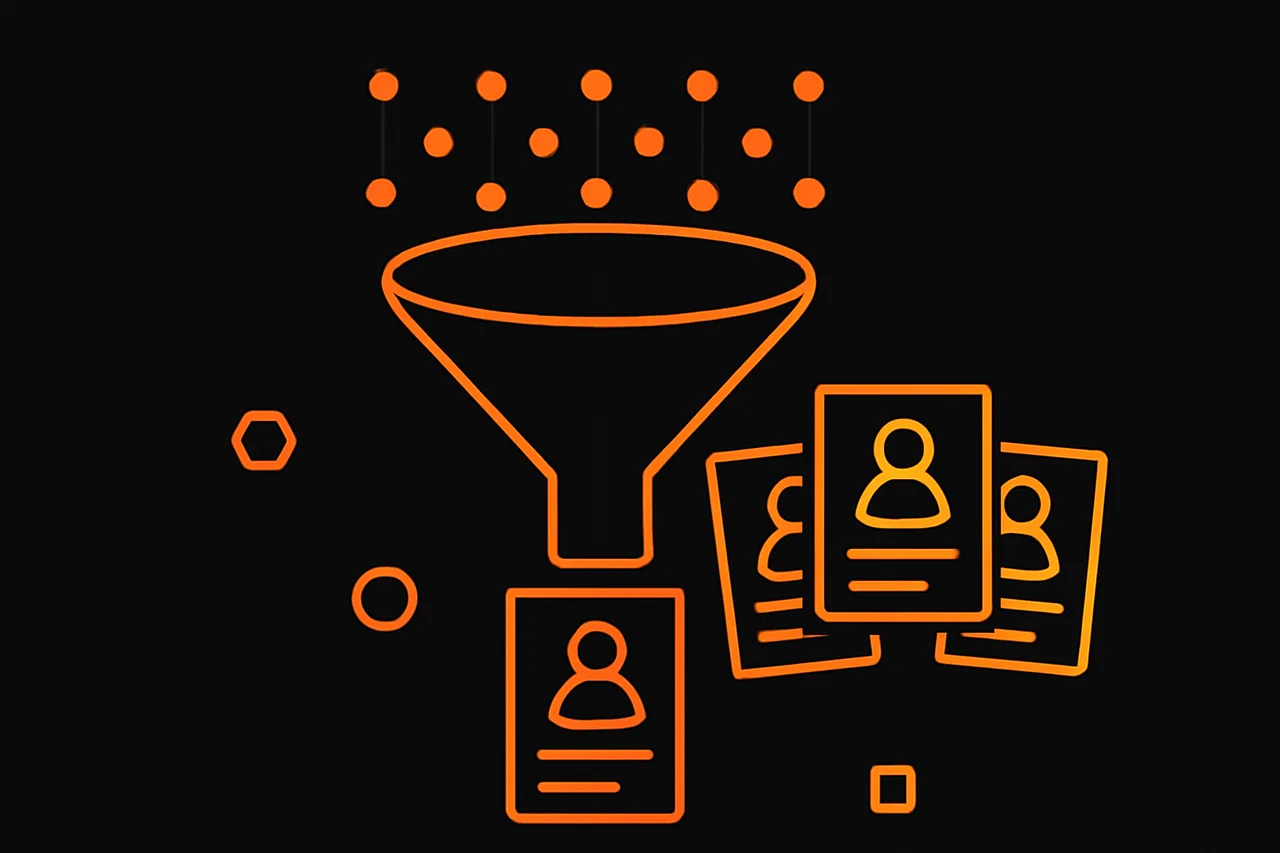
What is a sales lead? A sales lead is a person or business that has shown interest in what you offer — by calling, filling out a form, or otherwise sharing their contact information. Leads sit between an anonymous visitor and a paying customer, and the goal of marketing is to turn the right visitors into qualified leads.
What’s the difference between a visitor and a lead?
A visitor is anonymous traffic; a lead has raised their hand — given you a way to follow up. Not every visitor should become a lead, but the right-fit ones are who your marketing should be designed to capture.
How do I get more sales leads?
- Make it easy to contact you (forms, click-to-call)
- Offer something useful in exchange for contact info
- Send paid and organic traffic to focused pages
- Follow up quickly — speed matters
- Track which sources produce real leads
What is a qualified lead?
A qualified lead is one that actually fits what you offer — the right service, area and budget. Chasing volume alone wastes time; qualified leads are the ones worth your follow-up.
Why does fast follow-up matter?
Interest fades quickly. Responding to a new lead promptly — while they’re still thinking about you — dramatically improves your odds compared with following up days later.
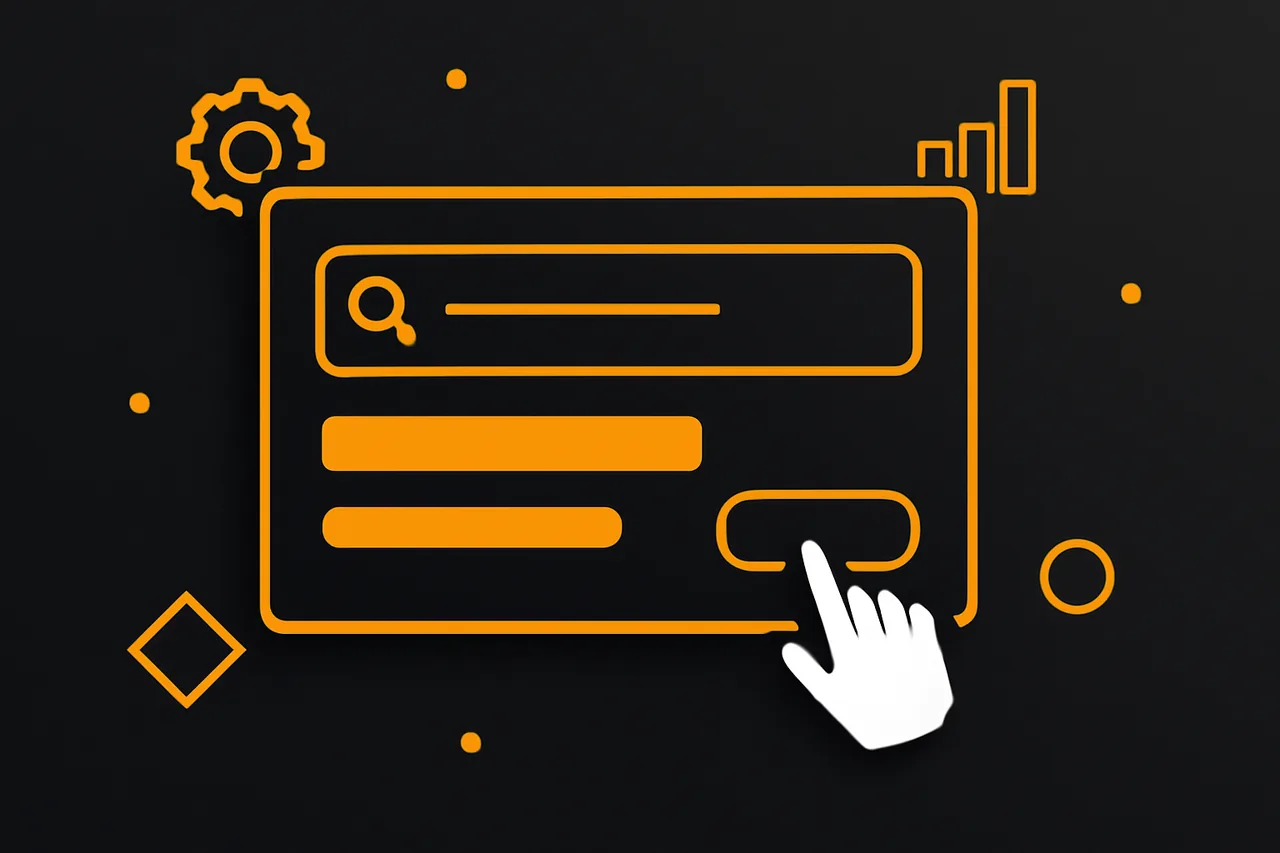
How do I write a Google ad that gets clicks? Write ads that match the searcher’s intent: mirror the keyword they used, lead with a clear benefit, add a specific offer or proof point, and end with a strong call to action. Then send the click to a landing page that delivers exactly what the ad promised.
What makes a Google ad effective?
Relevance. The closer your ad matches what someone searched, the more likely they click — and the better your Quality Score, which lowers your cost. Speak to their intent, not just your features.
What should the headline say?
Lead with the benefit or the exact thing they searched for, and include the keyword naturally. Specifics (‘Same-day repair in Oak Brook’) beat vague claims (‘Best service ever’).
Should I include an offer or call to action?
Yes. A clear next step (‘Get a free quote’, ‘Book today’) plus a concrete offer or proof point (years in business, a guarantee, a free estimate) gives people a reason to click now.
Does the landing page matter?
Hugely. An ad is only half the job — if the click lands on a slow or mismatched page, you’ve paid for nothing. Match the page to the ad’s promise and make the next step obvious.
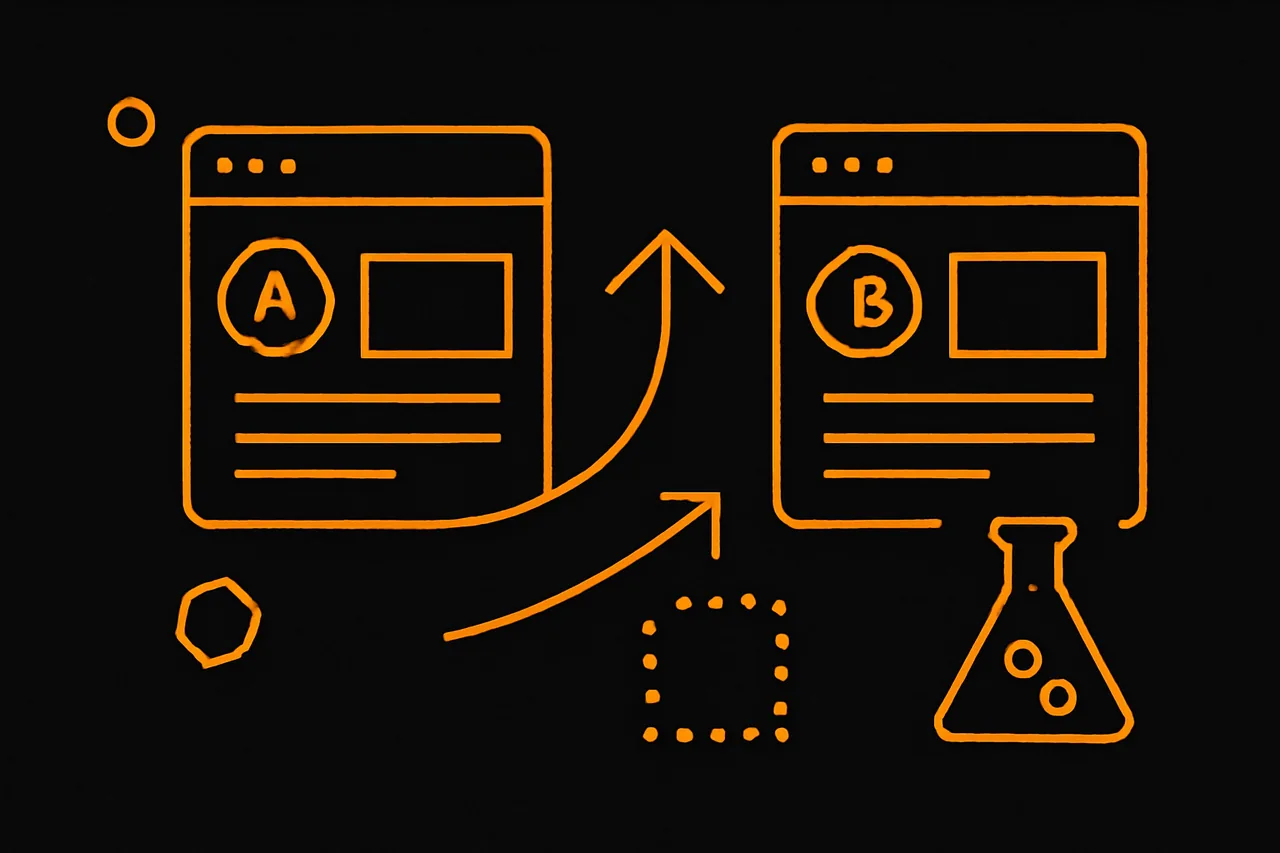
What is conversion rate optimization (CRO)? CRO is the practice of improving the percentage of visitors who take a desired action — calling, booking, buying — usually by testing changes to your page, offer and flow. Instead of just chasing more traffic, it gets more value from the visitors you already have.
How does CRO work?
You measure your current conversion rate, form a hypothesis about what’s holding visitors back, test one change at a time (a headline, a CTA, a form), measure the result, and keep what works. It’s a steady, evidence-based loop — not guesswork.
Why is CRO valuable?
Traffic is expensive, so improving conversion makes every visitor and every marketing dollar work harder. A better conversion rate means more leads from the same traffic, which compounds the return on all your other marketing.
What can I optimize?
- Headlines and offers
- Calls-to-action
- Page speed and mobile experience
- Form length and friction
- Trust signals like reviews
How do I avoid bad CRO?
Change one thing at a time so you know what caused the result, give tests enough data before deciding, and don’t chase tiny tweaks while ignoring big issues like a slow site or an unclear offer. Honest testing beats opinions.

What is Google Analytics and do I need it? Google Analytics is a free tool that shows how people find and use your website — where visitors come from, which pages they view, and what actions they take. Most businesses benefit from it (or a similar tool): without measurement, you’re guessing about what works.
What does Google Analytics show you?
- Where your visitors come from (search, ads, social, referral)
- Which pages they visit and how long they stay
- What devices they use
- Conversions like form fills and calls (once set up)
Do I really need analytics?
If you spend any time or money on marketing, yes — it tells you what’s working so you invest wisely. Even a simple setup beats flying blind; without it you can’t tell which efforts produce customers.
Is Google Analytics free?
Yes, the standard version is free and covers what most small businesses need. The real investment is the time to set it up correctly and to actually review the data.
What should I track?
Focus on outcomes that map to revenue — form submissions, calls, bookings and their sources — not vanity metrics like raw pageviews. Set up conversion tracking so the data reflects real business results.

What is retargeting? Retargeting (or remarketing) shows ads to people who already visited your website or engaged with you but didn’t convert. Because it reaches warm, familiar prospects rather than cold strangers, it often converts efficiently — as long as it’s used respectfully and not overdone.
How does retargeting work?
When someone visits your site, a tag lets ad platforms show them your ads later on other sites, social feeds or search. It keeps your business top of mind with people who already showed interest.
Does retargeting actually work?
It often performs well because it targets warm audiences who already know you. Results vary by business and offer, and it works best paired with a clear reason to return — not as a standalone fix.
Can retargeting be annoying?
Yes, if overdone. Showing the same ad too often (‘ad fatigue’) frustrates people. Cap how often ads show, refresh the creative, and exclude people who already converted.
Do I need a lot of traffic for retargeting?
You need enough website visitors to build a meaningful audience. Very low-traffic sites may see limited reach, so retargeting is usually paired with channels that bring people to the site first.

How do I get more website traffic? Traffic comes from a mix of channels: SEO and a strong Google Business Profile for organic and local search, paid ads for immediate visits, plus social, email and referrals. The durable, lower-cost route is SEO and local search; ads buy speed while that builds.
What are the main sources of website traffic?
- Organic search (SEO)
- Local search & the Google Map Pack
- Paid ads (Google, social)
- Social media
- Email and referrals
What’s the most cost-effective way to grow traffic?
SEO and a complete Google Business Profile — they compound and keep working without per-click costs. They’re slower to start, which is why many businesses run ads alongside them for immediate visits.
How long does it take to grow traffic?
Paid channels drive visits immediately; organic and local growth typically build over months and compound. Sustainable traffic is a blend of quick wins and long-term assets.
Is more traffic always better?
No — relevant traffic matters more than raw numbers. A smaller audience that actually needs your service converts better than a flood of unqualified visitors.
What is a good website conversion rate? There’s no single ‘good’ number — conversion rates vary widely by industry, traffic source, and what counts as a conversion. The most useful benchmark is your own trend over time: a ‘good’ rate is one that’s improving as you refine your offer, page and targeting.
Why is there no universal benchmark?
A conversion rate depends on your industry, how qualified your traffic is, your price point, and whether ‘conversion’ means a call, form or sale. Comparing yourself to a generic average can mislead more than it helps.
What should I compare against instead?
Your own baseline. Track your rate, change one thing at a time, and aim to beat your previous numbers. Improvement over time is the real measure.
How do I improve my conversion rate?
- Lead with one clear offer and CTA
- Make the site fast and mobile-first
- Add trust signals (reviews, credentials)
- Reduce form friction
- Match the page to the traffic source
Does more traffic improve conversion rate?
Not necessarily — low-quality traffic can lower it. Better-targeted visitors usually convert at a higher rate than simply more visitors, so focus on relevance, not just volume.

Is email marketing still worth it? Yes, for most businesses — email reaches an audience you own (not rented from an algorithm), nurtures leads and repeat customers, and is inexpensive to run. It works best with a permission-based list and genuinely useful messages, not bought lists or spam.
Why is email still effective?
You own your email list, so you’re not at the mercy of platform algorithms or rising ad costs. It’s direct, personal, measurable and cheap — ideal for repeat business and nurturing leads over time.
Who is email marketing best for?
Businesses with repeat customers, longer decision cycles, or something worth saying regularly — offers, updates, helpful tips. It’s less suited to one-time impulse purchases with no follow-up.
Should I buy an email list?
No. Buying lists violates most platforms’ rules and anti-spam laws, wrecks deliverability, and annoys recipients. Build a permission-based list by offering something useful in exchange for a signup.
How often should I email?
Regularly enough to stay familiar, rarely enough to stay welcome — and always with a reason to open. Consistency and value matter far more than volume.

What is a call to action? A call to action (CTA) is the prompt that tells a visitor exactly what to do next — like ‘Book a free call’ or ‘Get a quote.’ It matters because even interested visitors rarely act without a clear, visible next step; a strong CTA turns passive readers into leads.
What makes a good CTA?
Use a clear action verb, focus on one primary action, make it visible and repeat it down the page, and reduce friction so acting is effortless.
Where should I put CTAs?
Above the fold, at natural decision points, and again at the end of longer pages. A persistent click-to-call or button keeps the next step always within reach — don’t make people hunt for it.
How many CTAs should a page have?
One primary action, repeated. Competing calls-to-action split attention and lower conversions; make any secondary links clearly secondary.
What makes a CTA convert better?
Specific, benefit-led wording (‘Get my free site check’ beats ‘Submit’), strong visual contrast, and removing anything that adds doubt or effort right before the click.