What is mobile-first design? Mobile-first design means building your website for phones first, then scaling up to larger screens — rather than designing for desktop and squeezing it onto mobile. It matters because most visitors are on phones, and Google primarily uses the mobile version of your site for ranking.
Why is mobile-first important?
Most web traffic is mobile, and Google predominantly uses your site’s mobile version to index and rank (mobile-first indexing). A site that only works well on desktop loses both visitors and ranking potential.
What makes a good mobile experience?
- Fast loading on a phone connection
- Readable text without zooming
- Thumb-friendly buttons and tap targets
- Easy click-to-call and short forms
- No intrusive popups
Does mobile-first affect SEO?
Yes — because Google ranks based on your mobile site, a poor mobile experience can hold back rankings even if the desktop version is great. Mobile performance and usability are part of the ranking picture.
How do I know if my site is mobile-friendly?
Open it on your own phone and try to find your number, read the content, and tap the buttons. Free tools and Google’s Core Web Vitals report also flag mobile usability and speed issues.
How do I make my website load faster? The biggest wins usually come from compressing and right-sizing images, cutting unnecessary scripts and plugins, enabling caching, and using quality hosting. Speed matters because slow sites lose visitors before they read a word — and it affects both conversions and rankings.
Why does website speed matter?
Most visitors are on phones and abandon slow pages quickly. Speed affects conversions directly and is part of Google’s Core Web Vitals, so a faster site helps both your customers and your rankings.
What slows a website down?
- Large, uncompressed images
- Too many scripts, plugins or third-party tools
- Slow or low-quality hosting
- No caching
- Bloated, unoptimized code
What are the quickest speed wins?
Compress and properly size images (often the single biggest fix), remove unused plugins and scripts, enable caching, and choose solid hosting. These usually deliver the most improvement for the least effort.
How do I measure my site speed?
Free tools like Google’s PageSpeed Insights and the Core Web Vitals report show your load metrics and the specific issues to fix. Test on mobile, since that’s how most people visit.
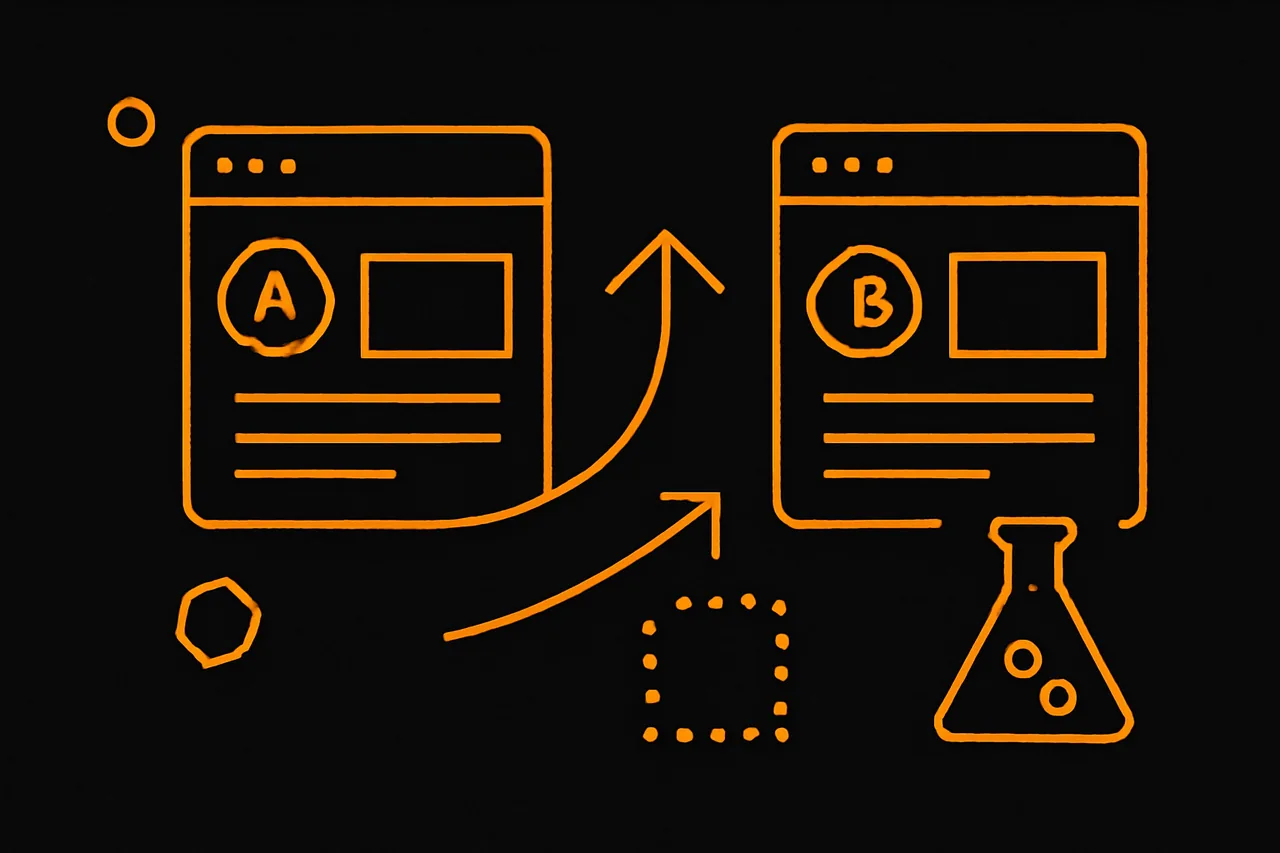
What is conversion rate optimization (CRO)? CRO is the practice of improving the percentage of visitors who take a desired action — calling, booking, buying — usually by testing changes to your page, offer and flow. Instead of just chasing more traffic, it gets more value from the visitors you already have.
How does CRO work?
You measure your current conversion rate, form a hypothesis about what’s holding visitors back, test one change at a time (a headline, a CTA, a form), measure the result, and keep what works. It’s a steady, evidence-based loop — not guesswork.
Why is CRO valuable?
Traffic is expensive, so improving conversion makes every visitor and every marketing dollar work harder. A better conversion rate means more leads from the same traffic, which compounds the return on all your other marketing.
What can I optimize?
- Headlines and offers
- Calls-to-action
- Page speed and mobile experience
- Form length and friction
- Trust signals like reviews
How do I avoid bad CRO?
Change one thing at a time so you know what caused the result, give tests enough data before deciding, and don’t chase tiny tweaks while ignoring big issues like a slow site or an unclear offer. Honest testing beats opinions.
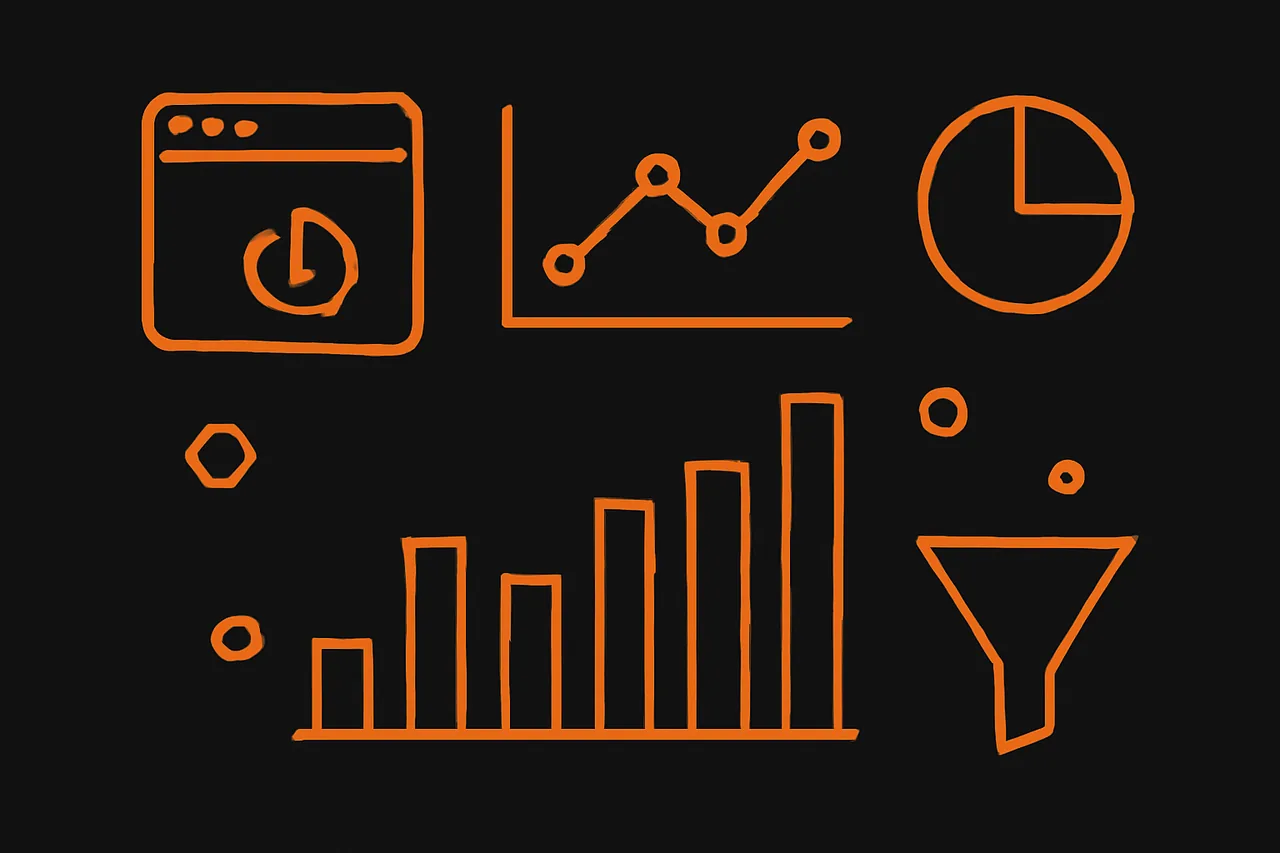
What is Google Analytics and do I need it? Google Analytics is a free tool that shows how people find and use your website — where visitors come from, which pages they view, and what actions they take. Most businesses benefit from it (or a similar tool): without measurement, you’re guessing about what works.
What does Google Analytics show you?
- Where your visitors come from (search, ads, social, referral)
- Which pages they visit and how long they stay
- What devices they use
- Conversions like form fills and calls (once set up)
Do I really need analytics?
If you spend any time or money on marketing, yes — it tells you what’s working so you invest wisely. Even a simple setup beats flying blind; without it you can’t tell which efforts produce customers.
Is Google Analytics free?
Yes, the standard version is free and covers what most small businesses need. The real investment is the time to set it up correctly and to actually review the data.
What should I track?
Focus on outcomes that map to revenue — form submissions, calls, bookings and their sources — not vanity metrics like raw pageviews. Set up conversion tracking so the data reflects real business results.
What is a good website conversion rate? There’s no single ‘good’ number — conversion rates vary widely by industry, traffic source, and what counts as a conversion. The most useful benchmark is your own trend over time: a ‘good’ rate is one that’s improving as you refine your offer, page and targeting.
Why is there no universal benchmark?
A conversion rate depends on your industry, how qualified your traffic is, your price point, and whether ‘conversion’ means a call, form or sale. Comparing yourself to a generic average can mislead more than it helps.
What should I compare against instead?
Your own baseline. Track your rate, change one thing at a time, and aim to beat your previous numbers. Improvement over time is the real measure.
How do I improve my conversion rate?
- Lead with one clear offer and CTA
- Make the site fast and mobile-first
- Add trust signals (reviews, credentials)
- Reduce form friction
- Match the page to the traffic source
Does more traffic improve conversion rate?
Not necessarily — low-quality traffic can lower it. Better-targeted visitors usually convert at a higher rate than simply more visitors, so focus on relevance, not just volume.
What is bounce rate? Bounce rate is the share of visitors who land on a page and leave without taking a tracked action or visiting another page. A high bounce rate isn’t always bad — sometimes a visitor got exactly what they needed — but it can flag a slow, confusing, or mismatched page.
Is a high bounce rate bad?
Not always. If someone finds your phone number and calls, that counts as a ‘bounce’ but it’s a success. Judge bounce alongside whether the page actually achieved its goal.
What causes a high bounce rate?
- Slow load times
- A page that doesn’t match what the visitor expected
- Confusing layout or no clear next step
- Poor mobile experience
- Intrusive popups
How do I lower bounce rate?
Speed up the page, match content to the visitor’s intent, make the next step obvious, and fix mobile issues. Lowering bounce for its own sake isn’t the goal — guiding more visitors to act is.
Does bounce rate affect SEO?
Not as a direct ranking factor. But the things that cause high bounce — slow, irrelevant or frustrating pages — can hurt rankings indirectly through poor user experience.

What is a call to action? A call to action (CTA) is the prompt that tells a visitor exactly what to do next — like ‘Book a free call’ or ‘Get a quote.’ It matters because even interested visitors rarely act without a clear, visible next step; a strong CTA turns passive readers into leads.
What makes a good CTA?
Use a clear action verb, focus on one primary action, make it visible and repeat it down the page, and reduce friction so acting is effortless.
Where should I put CTAs?
Above the fold, at natural decision points, and again at the end of longer pages. A persistent click-to-call or button keeps the next step always within reach — don’t make people hunt for it.
How many CTAs should a page have?
One primary action, repeated. Competing calls-to-action split attention and lower conversions; make any secondary links clearly secondary.
What makes a CTA convert better?
Specific, benefit-led wording (‘Get my free site check’ beats ‘Submit’), strong visual contrast, and removing anything that adds doubt or effort right before the click.
Why are my Google Ads not converting? Clicks without conversions usually trace to a mismatch: broad keywords attracting the wrong searchers, an ad that over-promises, or a landing page that doesn’t match the ad or is slow and unclear. The fix is tightening keyword-to-ad-to-page alignment and making the next step obvious — plus confirming your conversion tracking actually works.
Are you tracking conversions correctly?
First, make sure you’re measuring the right thing. Sometimes ads are converting but tracking is broken, so it looks like zero. Confirm form submits and calls are tracked before concluding the ads fail.
Are your keywords too broad?
Broad keywords attract people who aren’t ready to buy. Tighten match types, add a thorough negative-keyword list, and focus budget on high-intent terms so you pay for the right clicks.
Does your landing page match the ad?
If the ad promises one thing and the page shows another — or sends clicks to a generic homepage — people bounce. The page should repeat the ad’s promise, load fast, and offer one obvious next step.
Is your offer and follow-up strong enough?
Sometimes the traffic is fine but the offer is weak or follow-up is slow. A compelling, clear offer and fast response to leads convert far better than a vague one. Test the whole path, not just the ad.
What is a landing page? A landing page is a focused web page built around a single goal — usually getting the visitor to take one action, like booking a call or requesting a quote. Unlike a homepage that serves everyone, a landing page matches a specific ad or audience and removes distractions, which is why it converts far better for paid traffic.
How is a landing page different from a homepage?
A homepage is a hub that points to everything; a landing page has one job. It matches the ad or search that brought the visitor, repeats that promise, and offers one clear next step — no competing menus or tangents.
Why does it matter for Google Ads?
Sending ad clicks to your homepage is one of the most common ways to waste budget. A focused landing page that matches the ad improves conversions and can raise your Quality Score, lowering what you pay per lead.
What makes a landing page convert?
- One clear message that matches the ad
- One primary call-to-action, repeated
- Fast load and mobile-first design
- Trust signals — reviews, credentials, real photos
- No distractions or competing links
Do I need a landing page for every campaign?
Ideally, match the page to the offer. If you run ads for several distinct services, a tailored page per service almost always beats sending everyone to one generic page.
How much does a small business website cost? It varies widely based on scope — a simple template site is far cheaper than a custom, multi-page, conversion-focused build. The bigger factors are number of pages, custom design versus template, content and photography, functionality (booking, e-commerce), and ongoing costs like hosting, domain and maintenance. Price the outcome, not just the page count.
What drives the price of a website?
- Number of pages and amount of content
- Custom design vs. a template
- Copywriting, photography and graphics
- Features: online booking, e-commerce, integrations
- SEO setup and conversion optimization built in
Is it cheaper to build it myself?
DIY website builders lower the upfront cost, and they can work for very simple needs. The trade-off is your time and the risk of a site that looks generic or doesn’t convert. For many businesses, a professional, conversion-focused site pays for itself in booked work.
What are the ongoing website costs?
Beyond the build, budget for domain registration, hosting, security/SSL, and maintenance or updates. A website is an asset that needs upkeep — plan for ongoing costs, not just a one-time fee.
How do I know if a website is worth the price?
Judge it by what it produces: does it load fast, work on mobile, build trust, and make it obvious how to contact you? A cheaper site that doesn’t convert is the expensive option. Make sure you own your domain, site and accounts — not the agency.